

Common Conditions We Treat
At BlueWave Chiropractic, these are among the most common conditions we see. In addition to this, we treat a wide variety of other conditions that aren't listed. Have a question about a certain condition? Don't hesitate to reach out and Ask.

Disc Injury
A disc herniation, commonly referred to as a herniated disc, occurs when the soft inner material of an intervertebral disc protrudes through a tear in the tougher outer layer. This condition can affect the discs located between the vertebrae in the spine, commonly in the cervical (neck) or lumbar (lower back) regions. Key Points about Disc Herniation: Disc Herniation1. Herniated discs can result from: - Age-related degeneration (disc degeneration) - Heavy lifting or improper lifting techniques - Sudden trauma or injury - Repetitive strain on the spine 2. Symptoms: Symptoms may vary depending on the location of the herniation but commonly include: - Pain in the affected area - Radiating pain into the arms or legs (sciatica) - Numbness or tingling in the extremities - Muscle weakness 3. Diagnosis typically involves: - Medical history and physical examination - Imaging tests such as MRI or CT scans to visualize the disc and assess nerve involvement 4. Treatment Options: Treatment can range from conservative approaches to more invasive methods: - Conservative: Rest, physical therapy, pain medications, and lifestyle modifications. - Invasive: In severe cases, surgical options may be considered to remove the herniated portion of the disc or to relieve pressure on the nerves. 5. Prognosis: Many people experience improvement with conservative treatment. However, recovery time can vary depending on the severity of the herniation and the individual's overall health. Overall, a disc herniation can lead to significant discomfort and mobility issues, but with appropriate treatment, many individuals can manage their symptoms effectively. Chiropractic adjustments can be beneficial for individuals with disc herniation by addressing spinal alignment, reducing pain, and improving function. Here’s how chiropractic care can help: 1. Spinal Alignment: Chiropractic adjustments can help realign the spine, which may reduce pressure on the affected disc and surrounding nerves. Proper alignment can promote better spinal mechanics and reduce irritation to the nerves. 2. Pain Relief: Adjustments can alleviate pain associated with a herniated disc. By improving spinal function and reducing inflammation, patients may experience a decrease in pain levels. 3. Enhanced Mobility: Chiropractic care can improve the range of motion in the spine, making it easier for patients to perform daily activities without discomfort. 4. Muscle Relaxation: Adjustments can help relax tight muscles surrounding the spine, which may contribute to pain relief and improved overall spinal function. 5. Improved Nerve Function: By reducing spinal misalignments, chiropractic care may enhance nerve function and reduce symptoms such as numbness, tingling, or weakness in the extremities. 6. Comprehensive Approach: Chiropractors often provide a holistic treatment plan that may include exercise recommendations, lifestyle modifications, and ergonomic advice to support recovery. References 1. **Goel, V., et al. (2010)**. "Chiropractic Management of Lumbar Disc Herniation: A Systematic Review." *Journal of Chiropractic Medicine*, 9(1), 1-12. - This systematic review discusses the effectiveness of chiropractic care for lumbar disc herniation. 2. **Haldeman, S., et al. (2008)**. "The role of chiropractic in the management of disc disorders: A literature review." *Journal of Manipulative and Physiological Therapeutics*, 31(4), 286-295. - This article reviews the role of chiropractic in managing disc disorders, highlighting its benefits and efficacy. 3. **Dewitt, J. M., et al. (2015)**. "The effects of chiropractic manipulation on disc herniation: A case series." *Chiropractic & Manual Therapies*, 23(1), 10. - This case series examines the outcomes of chiropractic manipulation in patients with disc herniation, reporting positive results. 4. **Cameron, M. H., & Monroe, L. G. (2010)**. "Chiropractic management of disc herniation: A case report." *Journal of Chiropractic Medicine*, 9(2), 68-73. - This case report details the successful management of a patient with a herniated disc through chiropractic care. These references provide insight into how chiropractic adjustments can be beneficial for individuals dealing with disc herniation. However, it's essential for patients to consult with their Chiropractic provider to determine the most appropriate treatment plan for their specific condition.

Whiplash
Whiplash is a neck injury that occurs when the head is suddenly jerked forward and then backward, often as a result of a rear-end car collision. This rapid movement can cause strain or sprain to the neck's muscles, ligaments, and other soft tissues. Symptoms of whiplash may include: - Neck pain and stiffness - Headaches - Dizziness - Fatigue - Shoulder or upper back pain - Tingling or numbness in the arms The severity of whiplash can vary, and symptoms may not appear immediately after the injury. In some cases, they may develop over several days. For further reading and references, consider the following sources: 1. **Mayo Clinic** - Provides an overview of whiplash, including symptoms, causes, and treatment options. [Mayo Clinic - Whiplash](https://www.mayoclinic.org/diseases-conditions/whiplash/symptoms-causes/syc-20371332) 2. **Cleveland Clinic** - Discusses whiplash injury, its diagnosis, and treatment approaches. [Cleveland Clinic - Whiplash](https://my.clevelandclinic.org/health/diseases/17720-whiplash) 3. **American Academy of Orthopaedic Surgeons (AAOS)** - Offers insights on whiplash, including prevention and management strategies. [AAOS - Whiplash](https://orthoinfo.aaos.org/en/diseases--conditions/whiplash/) These resources can provide comprehensive information about whiplash, its symptoms, causes, and potential treatment options.

Shoulder Injuries
A rotator cuff tear is an injury that affects the group of muscles and tendons surrounding the shoulder joint, collectively known as the rotator cuff. This group is crucial for stabilizing the shoulder and facilitating a wide range of arm movements. Key Points about Rotator Cuff Tears: -Types: There are two main types of tears: partial tears, where some fibers of the tendon are damaged, and full-thickness tears, where the tendon is completely torn. - Causes: - Degenerative changes due to aging - Repetitive overhead activities (common in athletes and manual laborers) - Acute injuries from falls or accidents - Symptoms: - Pain, especially when lifting the arm - Weakness in the shoulder - Limited range of motion - A clicking or popping sound when moving the shoulder - Diagnosis: Diagnosis is typically made through physical examination, medical history, and imaging tests such as MRI or ultrasound. -Treatment: Treatment options range from conservative measures like Chiropractic, physical therapy and anti-inflammatory medications to more invasive procedures like surgery, depending on the severity of the tear. Overall, a rotator cuff tear can significantly impact shoulder function, but with appropriate treatment, many individuals can achieve pain relief and restore mobility. Chiropractic Treatment Approaches 1. Manual Adjustments: Chiropractors perform spinal and shoulder adjustments to restore proper alignment and mobility in the shoulder joint, which can help reduce pain and improve range of motion. 2. Soft Tissue Therapy: Techniques such as myofascial release, trigger point therapy, and massage can help alleviate muscle tension and promote circulation in the affected area. 3. Rehabilitation Exercises: Chiropractors may develop individualized exercise programs to strengthen the rotator cuff muscles, improve stability, and enhance overall shoulder function. 4. Posture and Ergonomics: Chiropractors often provide guidance on proper posture and ergonomic practices to reduce strain on the shoulder and prevent future injuries. 5. Ice and Heat Therapy: Recommendations for the use of ice or heat can help manage inflammation and pain associated with rotator cuff injuries. 6. Patient Education: Teaching patients about their condition, self-care strategies, and prevention techniques is an essential part of chiropractic care. References: 1. **Haldeman, S., et al. (2008)**. "The role of chiropractic in the management of rotator cuff injuries." *Journal of Manipulative and Physiological Therapeutics*, 31(4), 295-300. - This article discusses the role of chiropractic care in managing rotator cuff injuries and the effectiveness of various treatment modalities. 2. **Goerl, K. (2012)**. "Chiropractic care for shoulder pain: A review of the literature." *Journal of Chiropractic Medicine*, 11(2), 69-75. - This review examines different chiropractic approaches to shoulder pain, including rotator cuff injuries, and summarizes clinical outcomes. 3. **Kirkaldy-Willis, W. H., & Farfan, H. F. (1982)**. "Instability of the Lumbar Spine." *Clinical Orthopaedics and Related Research*, 165, 160-166. - While primarily focused on lumbar issues, this classic work touches upon the biomechanical relationships in the body, including implications for shoulder injuries. 4. **Dewitt, J. M., & Tontodonati, M. (2017)**. "Chiropractic management of rotator cuff injuries: A case series." *Chiropractic & Manual Therapies*, 25(1), 17. - This case series provides insights into successful chiropractic interventions for patients with rotator cuff injuries. 5. **Cameron, M. H. (2013)**. "Rehabilitation of the Shoulder." *Physical Therapy for the Orthopedic Manual Therapist*, 2nd Edition, 585-636. - This book chapter includes information on rehabilitation approaches for shoulder injuries, including rotator cuff conditions, and highlights the role of chiropractic care. These references highlight the potential benefits of chiropractic treatment for rotator cuff injuries and provide insights into various therapeutic approaches. As always, patients should consult with their Chiropractic providers to determine the best course of action for their specific condition.

Auto Accident
One moment everything may seem fine, when suddenly you’re involved in a serious collision. Most people have one thing on their mind after a car accident--their car! However, it’s important to remember that you and your injuries come first. A visit to a chiropractor should always follow an auto injury, as chiropractors are specialists in damage to soft and hard tissue. How Can a Chiropractor Help Me After My Auto Accident? Chiropractors are able to treat neck and back injuries associated with auto accidents. Many times, individuals who have been injured in a car accident experience such intense muscle pain and stiffness that they simply cannot function normally. When left untreated, this discomfort can be a serious issue. After an auto accident, some individuals experience indicators of whiplash injuries right away, such as blurred vision, headaches, shoulder pain, dizziness, reduced range of motion and arm pain. Whiplash can also result in minor back injuries, muscle injuries, ligament problems, and disc damage. Other individuals may be injured and feel nothing at all. Auto Accident Treating pain or whiplash should never be secondary to bringing your car at the mechanic or working with your insurance company. If you’ve had an auto accident recently, your first priority should be taking the initiative to visit your chiropractor!

Headaches
There are several types of headaches, each with distinct causes and characteristics. The main categories include: 1. Tension Headaches: Often described as a dull, aching sensation all over the head, tension headaches are the most common type. They can be triggered by stress, anxiety, or muscle tension in the neck and shoulders. 2. Migraines: These are typically characterized by intense, throbbing pain, often on one side of the head, and may be accompanied by nausea, vomiting, and sensitivity to light and sound. Migraines can be triggered by hormonal changes, certain foods, stress, or environmental factors. 3. Cluster Headaches: Known for their severe, piercing pain, cluster headaches occur in cyclical patterns or clusters, often affecting one side of the head. They are more common in men and can be triggered by alcohol, smoking, or changes in sleep patterns. 4. Sinus Headaches: These headaches are associated with sinus infections or sinusitis and are characterized by pain in the forehead, cheeks, and around the eyes. They often occur along with other sinus symptoms like nasal congestion. 5. Cervicogenic Headaches: Originating from issues in the neck, cervicogenic headaches can cause pain at the back of the head and may be accompanied by neck stiffness. For further reading, you can refer to these sources: - Mayo Clinic - Provides a detailed overview of different headache types, causes, and treatments. [Mayo Clinic - Headaches](https://www.mayoclinic.org/diseases-conditions/headaches/symptoms-causes/syc-20304495) - American Migraine Foundation - Offers insights specifically on migraines and their management. [American Migraine Foundation](https://americanmigrainefoundation.org/) How Chiropractic Care Helps with Headaches Chiropractic care can be beneficial for managing headaches, particularly tension and cervicogenic headaches. Chiropractors use spinal manipulation and other manual therapies to alleviate tension in the neck and upper back, improve spinal alignment, and promote better blood flow. This can help reduce the frequency and severity of headaches. Additionally, chiropractors may provide lifestyle and ergonomic advice to help prevent headache triggers. For more information on how chiropractic care can help with headaches, you can refer to these sources: - American Chiropractic Association- Discusses the role of chiropractic care in headache management. [ACA - Chiropractic and Headaches](https://www.acatoday.org/Patients/Health-Wellness-Information/Headaches) - Cleveland Clinic - Explains how chiropractic treatment can alleviate headache symptoms. [Cleveland Clinic - Chiropractic Care for Headaches](https://my.clevelandclinic.org/health/treatments/21533-chiropractic-care) These resources can provide a deeper understanding of the types of headaches and the potential benefits of chiropractic interventions.

Disc Degeneration
Disc degeneration refers to the gradual deterioration of the intervertebral discs, which act as cushions between the vertebrae in the spine. This condition often occurs as part of the natural aging process but can also be influenced by factors such as genetics, obesity, and repeated stress on the spine. As the discs lose hydration and elasticity, they may become thinner and less effective at absorbing shock, leading to symptoms like pain, stiffness, and reduced mobility. In some cases, degenerated discs can contribute to conditions such as herniated discs or spinal stenosis. For further reading and references, you may consider the following sources: 1. Mayo Clinic - Provides an overview of degenerative disc disease, including symptoms and treatments. [Mayo Clinic - Degenerative Disc Disease](https://www.mayoclinic.org/diseases-conditions/degenerative-disc-disease/symptoms-causes/syc-20302274) 2. American Academy of Orthopaedic Surgeons (AAOS) - Offers detailed information on disc degeneration and its implications. [AAOS - Degenerative Disc Disease](https://orthoinfo.aaos.org/en/diseases--conditions/degenerative-disc-disease/) 3. National Institute of Arthritis and Musculoskeletal and Skin Diseases (NIAMS) - Features research and insights related to spinal health, including disc degeneration. [NIAMS - Spinal Disorders](https://www.niams.nih.gov/health-topics/spinal-disorders) These resources can provide a more comprehensive understanding of disc degeneration and its effects on health. Key Points about Disc Herniation: Disc Herniation 1. Herniated discs can result from: - Age-related degeneration (disc degeneration) - Heavy lifting or improper lifting techniques - Sudden trauma or injury - Repetitive strain on the spine 2. Symptoms: Symptoms may vary depending on the location of the herniation but commonly include: - Pain in the affected area - Radiating pain into the arms or legs (sciatica) - Numbness or tingling in the extremities - Muscle weakness 3. Diagnosis typically involves: - Medical history and physical examination - Imaging tests such as MRI or CT scans to visualize the disc and assess nerve involvement 4. Treatment Options: Treatment can range from conservative approaches to more invasive methods: - Conservative: Rest, physical therapy, pain medications, and lifestyle modifications. - Invasive: In severe cases, surgical options may be considered to remove the herniated portion of the disc or to relieve pressure on the nerves. 5. Prognosis: Many people experience improvement with conservative treatment. However, recovery time can vary depending on the severity of the herniation and the individual's overall health. Overall, a disc herniation can lead to significant discomfort and mobility issues, but with appropriate treatment, many individuals can manage their symptoms effectively. Chiropractic adjustments can be beneficial for individuals with disc herniation by addressing spinal alignment, reducing pain, and improving function. Here’s how chiropractic care can help: 1. Spinal Alignment: Chiropractic adjustments can help realign the spine, which may reduce pressure on the affected disc and surrounding nerves. Proper alignment can promote better spinal mechanics and reduce irritation to the nerves. 2. Pain Relief: Adjustments can alleviate pain associated with a herniated disc. By improving spinal function and reducing inflammation, patients may experience a decrease in pain levels. 3. Enhanced Mobility: Chiropractic care can improve the range of motion in the spine, making it easier for patients to perform daily activities without discomfort. 4. Muscle Relaxation: Adjustments can help relax tight muscles surrounding the spine, which may contribute to pain relief and improved overall spinal function. 5. Improved Nerve Function: By reducing spinal misalignments, chiropractic care may enhance nerve function and reduce symptoms such as numbness, tingling, or weakness in the extremities. 6. Comprehensive Approach: Chiropractors often provide a holistic treatment plan that may include exercise recommendations, lifestyle modifications, and ergonomic advice to support recovery. References 1. **Goel, V., et al. (2010)**. "Chiropractic Management of Lumbar Disc Herniation: A Systematic Review." *Journal of Chiropractic Medicine*, 9(1), 1-12. - This systematic review discusses the effectiveness of chiropractic care for lumbar disc herniation. 2. **Haldeman, S., et al. (2008)**. "The role of chiropractic in the management of disc disorders: A literature review." *Journal of Manipulative and Physiological Therapeutics*, 31(4), 286-295. - This article reviews the role of chiropractic in managing disc disorders, highlighting its benefits and efficacy. 3. **Dewitt, J. M., et al. (2015)**. "The effects of chiropractic manipulation on disc herniation: A case series." *Chiropractic & Manual Therapies*, 23(1), 10. - This case series examines the outcomes of chiropractic manipulation in patients with disc herniation, reporting positive results. 4. **Cameron, M. H., & Monroe, L. G. (2010)**. "Chiropractic management of disc herniation: A case report." *Journal of Chiropractic Medicine*, 9(2), 68-73. - This case report details the successful management of a patient with a herniated disc through chiropractic care. These references provide insight into how chiropractic adjustments can be beneficial for individuals dealing with disc herniation. However, it's essential for patients to consult with their Chiropractic provider to determine the most appropriate treatment plan for their specific condition.

Fibromyalgia
Fibromyalgia is a chronic condition characterized by widespread musculoskeletal pain, fatigue, sleep disturbances, and cognitive difficulties, often referred to as "fibro fog." It affects the way the brain processes pain signals, leading to an increased perception of pain. Other common symptoms include stiffness, headaches, and irritable bowel syndrome. The exact cause of fibromyalgia is not fully understood, but it may involve a combination of genetic, environmental, and psychological factors. Fibro For further reading and references, you may consider the following sources: 1. Mayo Clinic - Provides a comprehensive overview of fibromyalgia, including symptoms, causes, and treatment options. [Mayo Clinic - Fibromyalgia](https://www.mayoclinic.org/diseases-conditions/fibromyalgia/symptoms-causes/syc-20353661) 2. National Fibromyalgia Association - Offers resources and information specifically focused on fibromyalgia and its management. [National Fibromyalgia Association](https://fmaware.org/) 3. National Institute of Arthritis and Musculoskeletal and Skin Diseases (NIAMS) - Features research, treatment information, and resources related to fibromyalgia. [NIAMS - Fibromyalgia](https://www.niams.nih.gov/health-topics/fibromyalgia) These resources can provide valuable insights into fibromyalgia, its symptoms, and available treatments.

Plantar Fasciitis
Plantar fasciitis is a common condition that causes pain in the heel and bottom of the foot. It occurs when the plantar fascia, a thick band of tissue that runs across the bottom of the foot and connects the heel bone to the toes, becomes inflamed. This inflammation typically results from repetitive stress, overuse, or excessive pressure on the foot, often linked to activities like running, standing for long periods, or wearing inappropriate footwear. Symptoms - Sharp pain in the heel or along the arch of the foot - Pain that worsens after prolonged inactivity or first thing in the morning - Discomfort after standing or walking for long periods Causes - Overweight or obesity - Flat feet or high arches - Tight calf muscles or Achilles tendon - Improper footwear or inadequate arch support Chiropractic Care Chiropractic care can be beneficial in managing plantar fasciitis through various approaches: 1. Adjustments: Chiropractors can perform adjustments to the foot, ankle, and lower back. This can help improve alignment and reduce stress on the plantar fascia. 2. Soft Tissue Therapy: Techniques such as myofascial release or trigger point therapy may help relieve tension in the muscles and fascia surrounding the foot. 3. Stretching and Strengthening Exercises: Chiropractors can guide patients in exercises that stretch the plantar fascia, Achilles tendon, and calf muscles, along with strengthening exercises that support the foot's arch. 4. Footwear Advice: Chiropractors can provide recommendations on proper footwear and orthotic devices to help distribute weight more evenly and reduce strain on the plantar fascia. 5. Pain Management: Chiropractic care may include modalities such as ultrasound therapy or electrical stimulation to help reduce pain and inflammation. References 1. American Academy of Orthopaedic Surgeons. (n.d.). Plantar Fasciitis. [AAOS Website](https://orthoinfo.aaos.org/en/diseases--conditions/plantar-fasciitis/) 2. Mayo Clinic. (2022). Plantar Fasciitis. [Mayo Clinic](https://www.mayoclinic.org/diseases-conditions/plantar-fasciitis/symptoms-causes/syc-20353554) 3. National Center for Biotechnology Information (NCBI). (2019). Plantar Fasciitis: A review of the literature. [NCBI](https://www.ncbi.nlm.nih.gov/pmc/articles/PMC6532479/) If you're experiencing symptoms of plantar fasciitis, consulting with a healthcare provider or chiropractor can help develop a tailored treatment approach.
Radiculopathy
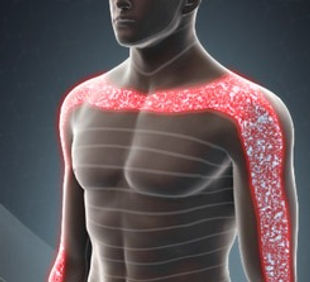
Cervical and lumbar radiculopathy are conditions that occur when nerve roots in the cervical (neck) or lumbar (lower back) regions of the spine are compressed or irritated, leading to pain, weakness, numbness, or tingling that radiates along the path of the affected nerve Cervical Radiculopathy Cervical Radiculopathy Cervical radiculopathy occurs when a nerve in the neck is compressed. Symptoms can include: - Pain that radiates from the neck into the shoulder, arm, or hand -Causes may include herniated discs, degenerative disc disease, or bone spurs. - Numbness or tingling in the arm or hand - Muscle weakness in the arm or hand - Neck pain 1. Mayo Clinic - Offers an overview of cervical and lumbar radiculopathy, including symptoms, causes, and treatments. - [Mayo Clinic - Cervical Radiculopathy](https://www.mayoclinic.org/diseases-conditions/cervical-radiculopathy/symptoms-causes/syc-20370634) 2. American Academy of Orthopaedic Surgeons (AAOS) - Provides comprehensive information on radiculopathy and its management. - [AAOS - Cervical Radiculopathy](https://orthoinfo.aaos.org/en/diseases--conditions/cervical-radiculopathy/) Lumbar Radiculopathy Lumbar radiculopathy involves the compression of nerves in the lower back. Symptoms can include: Lumbar Radiculitis - Pain that radiates from the lower back into the buttocks, leg, or foot - Numbness or tingling in the leg or foot - Muscle weakness in the leg - Lower back pain Common causes include herniated discs, spinal stenosis, or spondylolisthesis. For further reading and references, consider the following sources: 1. Mayo Clinic - Offers an overview of cervical and lumbar radiculopathy, including symptoms, causes, and treatments. - [Mayo Clinic - Lumbar Radiculopathy](https://www.mayoclinic.org/diseases-conditions/lumbar-radiculopathy/symptoms-causes/syc-20306918) 2. American Academy of Orthopaedic Surgeons (AAOS) - Provides comprehensive information on radiculopathy and its management. - [AAOS - Lumbar Radiculopathy](https://orthoinfo.aaos.org/en/diseases--conditions/lumbar-radiculopathy/) 3. Cleveland Clinic- Discusses the diagnosis, treatment options, and prevention strategies for radiculopathy. - [Cleveland Clinic - Radiculopathy](https://my.clevelandclinic.org/health/diseases/17849-radiculopathy)

Sciatica
Sciatica is a term used to describe pain that radiates along the path of the sciatic nerve, which branches from the lower back through the hips and buttocks and down each leg. Sciatica typically occurs when the sciatic nerve is compressed or irritated, often due to conditions such as a herniated disc, spinal stenosis, or spondylolisthesis. Symptoms of Sciatica Sciatica 2The symptoms of sciatica can vary widely but may include: - Sharp or burning pain in the lower back, buttock, or down the leg - Numbness or tingling that follows the path of the nerve - Muscle weakness in the affected leg - Pain that worsens with sitting, standing, or moving Causes of Sciatica Common causes of sciatica include: - Herniated or bulging discs in the spine - Bone spurs on the vertebrae - Spinal stenosis (narrowing of the spinal canal) - Injury or trauma to the spine Treatment Options Treatment for sciatica may involve a combination of physical therapy, medication, chiropractic care, and in some cases, surgery, depending on the severity and underlying cause. For further reading and references, consider the following sources: 1. Mayo Clinic - Provides a comprehensive overview of sciatica, including symptoms, causes, and treatment options. [Mayo Clinic - Sciatica](https://www.mayoclinic.org/diseases-conditions/sciatica/symptoms-causes/syc-20381460) 2. American Academy of Orthopaedic Surgeons (AAOS) - Offers insights on sciatica, its management, and prevention strategies. [AAOS - Sciatica](https://orthoinfo.aaos.org/en/diseases--conditions/sciatica/) 3. Cleveland Clinic - Discusses the diagnosis, treatment options, and lifestyle modifications for managing sciatica. [Cleveland Clinic - Sciatica](https://my.clevelandclinic.org/health/diseases/17766-sciatica) These resources can provide comprehensive information about sciatica, including its symptoms, causes, and treatment options.

Sports Injuries
Chiropractic care offers a drug-free and non-invasive approach to managing and recovering from sports injuries. By focusing on the musculoskeletal system, particularly the spine, chiropractors aim to restore proper joint function and reduce nerve interference, which can be crucial for optimal athletic performance and healing (1). Common sports injuries like sprains, strains, and muscle imbalances can be addressed through spinal adjustments, soft tissue therapies, and rehabilitation exercises tailored to the athlete's specific needs. These interventions can help reduce pain, improve range of motion, and facilitate faster recovery, allowing athletes to return to their sport safely and effectively (2). Furthermore, preventative chiropractic care can help identify and correct biomechanical imbalances, potentially reducing the risk of future injuries (3). References: Hawk, C., Minkalis, A., Khorsan, R., Daniels, C. J., & Hommer, D. (2010). Chiropractic care for common sports injuries. Journal of Manipulative and Physiological Therapeutics, 33(9), 803-804. Hoskins, W., & McHardy, A. (2002). Chiropractic treatment of lower limb injuries. Journal of the Canadian Chiropractic Association, 46(2), 108-117. Stuber, K. J., de Vos, J. A.,шнол Breen, A. C., Gleberzon, B. J., та Sereda, C. (2011). The impact of chiropractic treatment on functional outcomes in patients with chronic low back pain: A systematic review. Journal of Manipulative and Physiological Therapeutics, 34(6), 409-422. Symptoms of Sciatica Sciatica 2The symptoms of sciatica can vary widely but may include: - Sharp or burning pain in the lower back, buttock, or down the leg - Numbness or tingling that follows the path of the nerve - Muscle weakness in the affected leg - Pain that worsens with sitting, standing, or moving Causes of Sciatica Common causes of sciatica include: - Herniated or bulging discs in the spine - Bone spurs on the vertebrae - Spinal stenosis (narrowing of the spinal canal) - Injury or trauma to the spine Treatment Options Treatment for sciatica may involve a combination of physical therapy, medication, chiropractic care, and in some cases, surgery, depending on the severity and underlying cause. For further reading and references, consider the following sources: 1. Mayo Clinic - Provides a comprehensive overview of sciatica, including symptoms, causes, and treatment options. [Mayo Clinic - Sciatica](https://www.mayoclinic.org/diseases-conditions/sciatica/symptoms-causes/syc-20381460) 2. American Academy of Orthopaedic Surgeons (AAOS) - Offers insights on sciatica, its management, and prevention strategies. [AAOS - Sciatica](https://orthoinfo.aaos.org/en/diseases--conditions/sciatica/) 3. Cleveland Clinic - Discusses the diagnosis, treatment options, and lifestyle modifications for managing sciatica. [Cleveland Clinic - Sciatica](https://my.clevelandclinic.org/health/diseases/17766-sciatica) These resources can provide comprehensive information about sciatica, including its symptoms, causes, and treatment options.

Degenrative Joint Disease
Degenerative joint disease, commonly known as osteoarthritis (OA), is a chronic condition characterized by the gradual deterioration of cartilage in the joints. This degeneration leads to pain, stiffness, swelling, and reduced mobility. OA can affect any joint but most commonly impacts the knees, hips, hands, and spine. Factors contributing to the development of osteoarthritis include aging, obesity, joint injuries, and genetic predisposition. As the cartilage wears away, bones may rub against each other, causing further inflammation and pain. DJD For further reading and references, you may consider the following sources: 1. **Mayo Clinic** - Provides comprehensive information about osteoarthritis, including symptoms, causes, and treatment options. [Mayo Clinic - Osteoarthritis](https://www.mayoclinic.org/diseases-conditions/osteoarthritis/symptoms-causes/syc-20358694) 2. **American Academy of Orthopaedic Surgeons (AAOS)** - Offers detailed insights on osteoarthritis, its management, and preventive measures. [AAOS - Osteoarthritis](https://orthoinfo.aaos.org/en/diseases--conditions/osteoarthritis/) 3. **Arthritis Foundation** - Features resources and information focused on osteoarthritis, including tips for living with the condition. [Arthritis Foundation - Osteoarthritis](https://www.arthritis.org/diseases/osteoarthritis) These resources can provide a deeper understanding of degenerative joint disease and its impact on health and daily life. Symptoms of Sciatica Sciatica 2The symptoms of sciatica can vary widely but may include: - Sharp or burning pain in the lower back, buttock, or down the leg - Numbness or tingling that follows the path of the nerve - Muscle weakness in the affected leg - Pain that worsens with sitting, standing, or moving Causes of Sciatica Common causes of sciatica include: - Herniated or bulging discs in the spine - Bone spurs on the vertebrae - Spinal stenosis (narrowing of the spinal canal) - Injury or trauma to the spine Treatment Options Treatment for sciatica may involve a combination of physical therapy, medication, chiropractic care, and in some cases, surgery, depending on the severity and underlying cause. For further reading and references, consider the following sources: 1. Mayo Clinic - Provides a comprehensive overview of sciatica, including symptoms, causes, and treatment options. [Mayo Clinic - Sciatica](https://www.mayoclinic.org/diseases-conditions/sciatica/symptoms-causes/syc-20381460) 2. American Academy of Orthopaedic Surgeons (AAOS) - Offers insights on sciatica, its management, and prevention strategies. [AAOS - Sciatica](https://orthoinfo.aaos.org/en/diseases--conditions/sciatica/) 3. Cleveland Clinic - Discusses the diagnosis, treatment options, and lifestyle modifications for managing sciatica. [Cleveland Clinic - Sciatica](https://my.clevelandclinic.org/health/diseases/17766-sciatica) These resources can provide comprehensive information about sciatica, including its symptoms, causes, and treatment options.

Get in Touch with us Today!!
(727) 308-9866